Most sunglasses are not designed with small faces in mind. The frames that dominate retail displays are sized for average to large faces, which means if your face runs small, you have probably experienced the same frustration: frames that sit halfway down your nose, temples that gap at the sides, lenses that cover your cheekbones instead of your eyes.
This guide is for people who have been burned by that experience enough times to want actual advice.
Why fit matters more than style
On a small face, an oversized frame does not read as fashion-forward. It reads as borrowed. The proportions are off, and no amount of personal style can fully compensate. A frame that fits correctly — that sits at the right height, covers the right amount of your face, and does not extend past your temples — will look better than a more expensive frame that does not.
This is frustrating because the fashion conversation around sunglasses constantly promotes oversized frames as the default statement piece. For small faces, that advice is wrong.
What to look for in measurements
Most frames list three numbers on the inside of the temple arm: lens width, bridge width, and temple length. For small faces, focus on the first two.
Lens width is the horizontal measurement of a single lens. For small faces, aim for 44mm to 50mm. Anything above 52mm will likely be too wide.
Bridge width is the distance between the lenses, measured at the nose. Small faces typically have narrower nose bridges. A bridge of 14mm to 17mm tends to fit better than the standard 18mm to 20mm found on most frames.
Frame width is the total measurement across the front of the frame. This should not extend significantly past the width of your face at the temples. If the frame ends line up with or just inside your temples, the fit is right.
Frame shapes that work
Round frames tend to work well on small faces because their curves echo the softer features that often accompany smaller facial structures. The key is keeping them small — a 44mm to 48mm round lens reads classic and intentional rather than overwhelming.
Cat-eye frames are well-suited to small faces when sized correctly. The upward sweep at the outer edge draws the eye outward and upward without adding bulk. Look for frames with a lens width under 50mm.
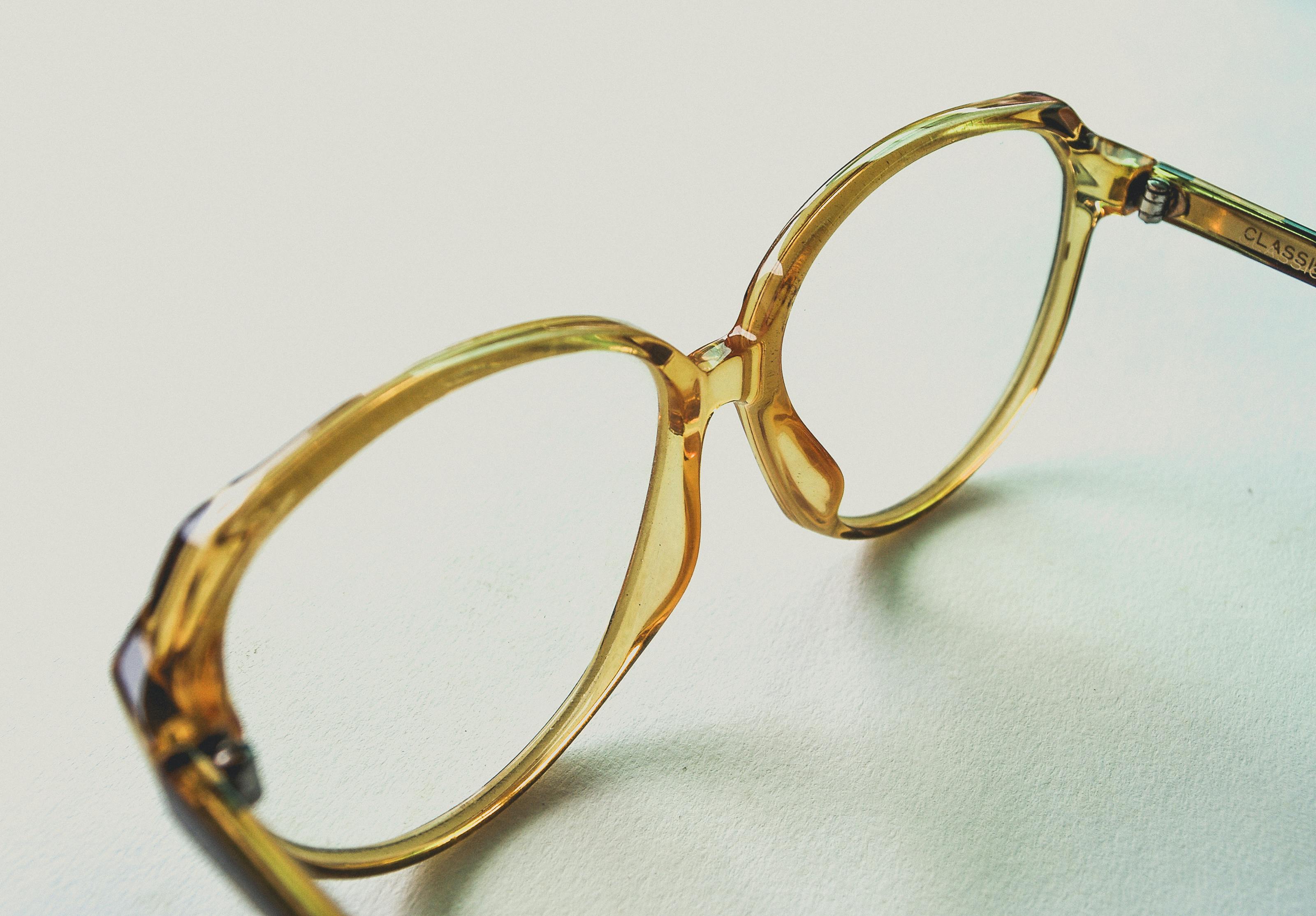
Oval frames are the most forgiving shape. They work across a wide range of face shapes and sizes, and a well-proportioned oval on a small face looks consistently clean.
Rectangular frames can work but require more precision. A rectangle that is too long reads as a visor. Look for shorter lens heights (30mm to 34mm) and keep the total width tight.
Frame shapes to approach carefully
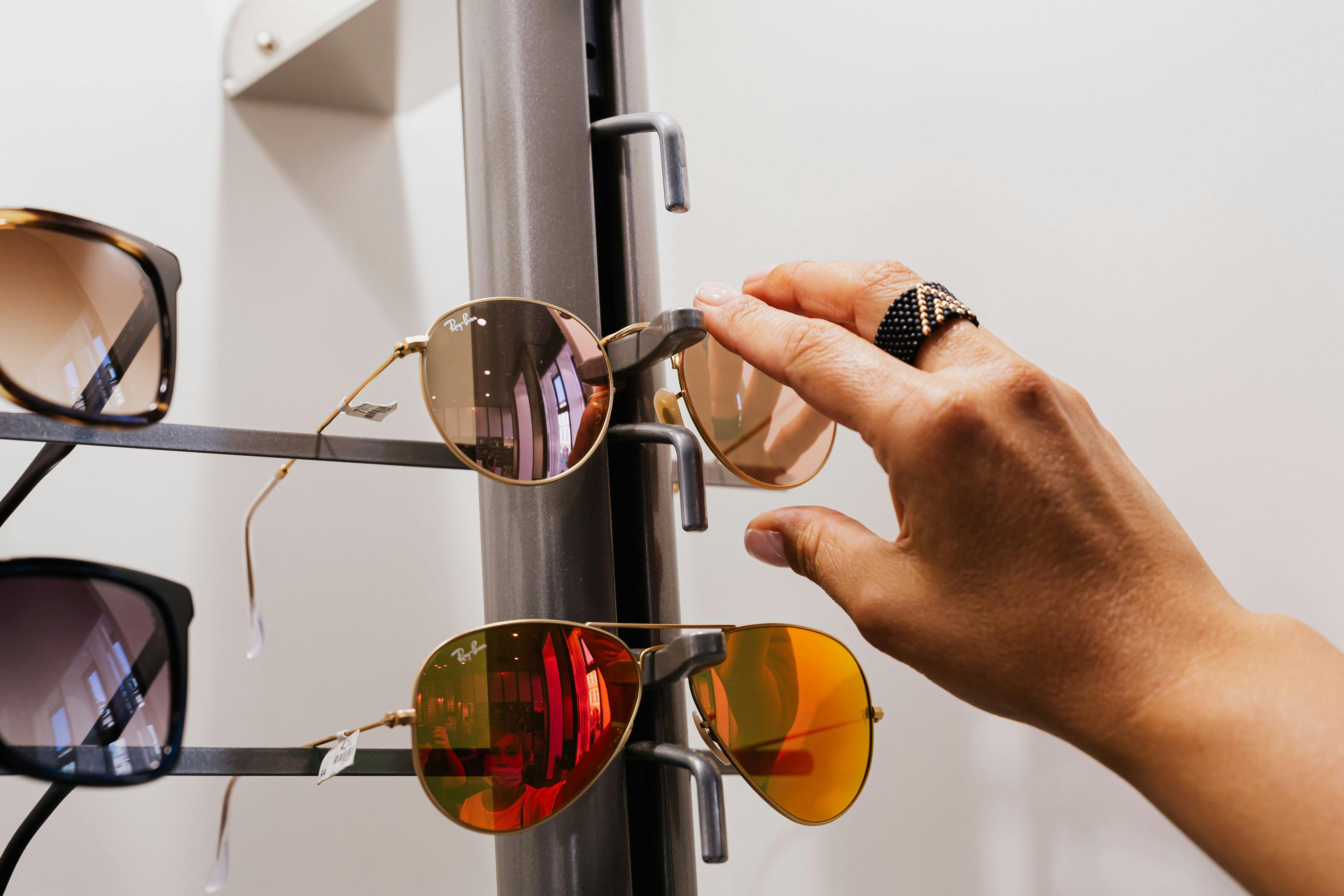
Large aviators — the classic teardrop aviator at full scale — will overwhelm most small faces. A mini aviator at 48mm to 50mm lens width is a different story entirely.
Square frames can work but are less forgiving. The sharp corners read larger than they measure, which means you need to size down more aggressively.
Wraparound sport frames are almost always too wide. The functional design that makes them good for sport makes them difficult to proportion on a small face.
Material and weight
For small faces, frame weight matters more than it might for larger frames because there is less surface area distributing the pressure. Lightweight materials — titanium, thin acetate, wire — tend to sit more comfortably and cause less sliding.
Adjustable nose pads, common on metal frames, are genuinely useful here. They let you narrow the bridge fit significantly, which is often the difference between a frame that stays in place and one that constantly needs pushing up.
Where to actually find well-fitting frames
Specialty optical retailers carry a wider range of sizes than most sunglass retailers. Some brands produce dedicated “petite” or “small” sizing lines. Children’s frames are also worth considering — many adult styles are available in kids sizing, and the frames are often structurally identical with better proportions for small faces.
The fit is always worth more than the logo.