Most sunglasses worn indoors look like an affectation. The person is performing something — mystery, celebrity, photophobia — rather than wearing an object that makes sense in context. This is because most sunglasses are designed for bright outdoor conditions. Put them on in a café and the signal mismatch is immediate.
There is, however, a narrow category that works. Here is what defines it.
The lens tint threshold
The variable that determines whether indoor eyewear reads as reasonable or performative is transmission percentage — how much light the lens allows through.
Standard outdoor sunglasses block 70 to 97 percent of visible light (VLT of 3 to 30 percent). These do not work indoors. The visual obstruction is too obvious.
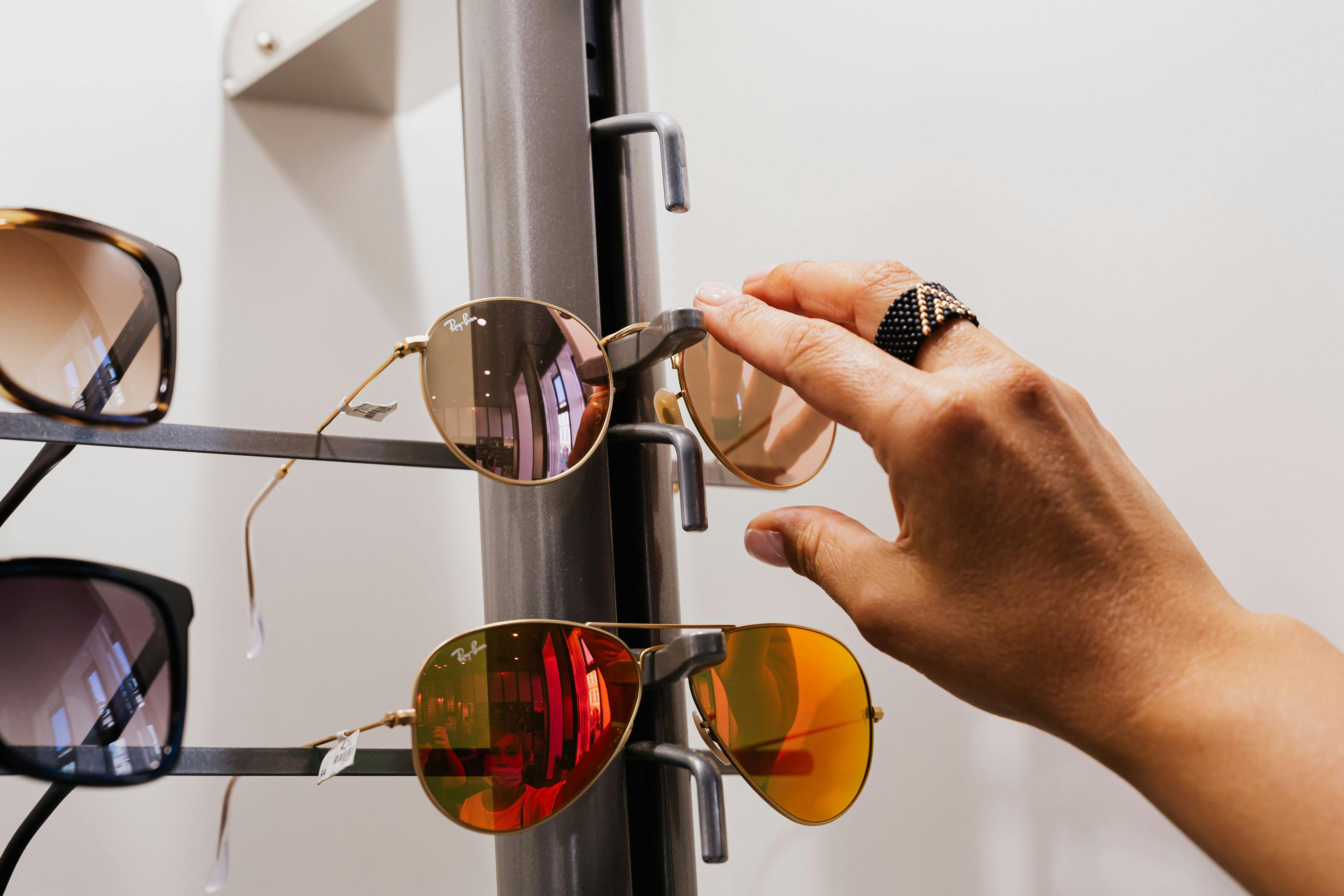
Light-tinted fashion glasses block 10 to 40 percent of visible light (VLT of 60 to 90 percent). These are in the transition zone. At the lighter end — a barely-there rose or yellow tint, clear with a subtle color cast — they function as fashion accessories that happen to have lenses. At the darker end of this range, they still read as glasses rather than sunglasses.
The threshold is approximately: if someone can clearly see your eyes through the lens, you are in acceptable territory for indoor wear. If they cannot, you are in sunglasses territory and should be outside.
Colors that work
Very light rose or peach: The warmth reads as a lens color rather than sun protection. Works indoors at any reasonable light level.
Pale yellow: Slightly retro, slightly editorial. Works in creative or fashion-adjacent environments more readily than professional ones.
Light gray: The most neutral option. A very light gray tint reads simply as a slightly darkened lens rather than as sunglasses.
Clear with a color cast: Lenses that are nominally clear but have a subtle blue, pink, or lavender cast. These work in almost any context.
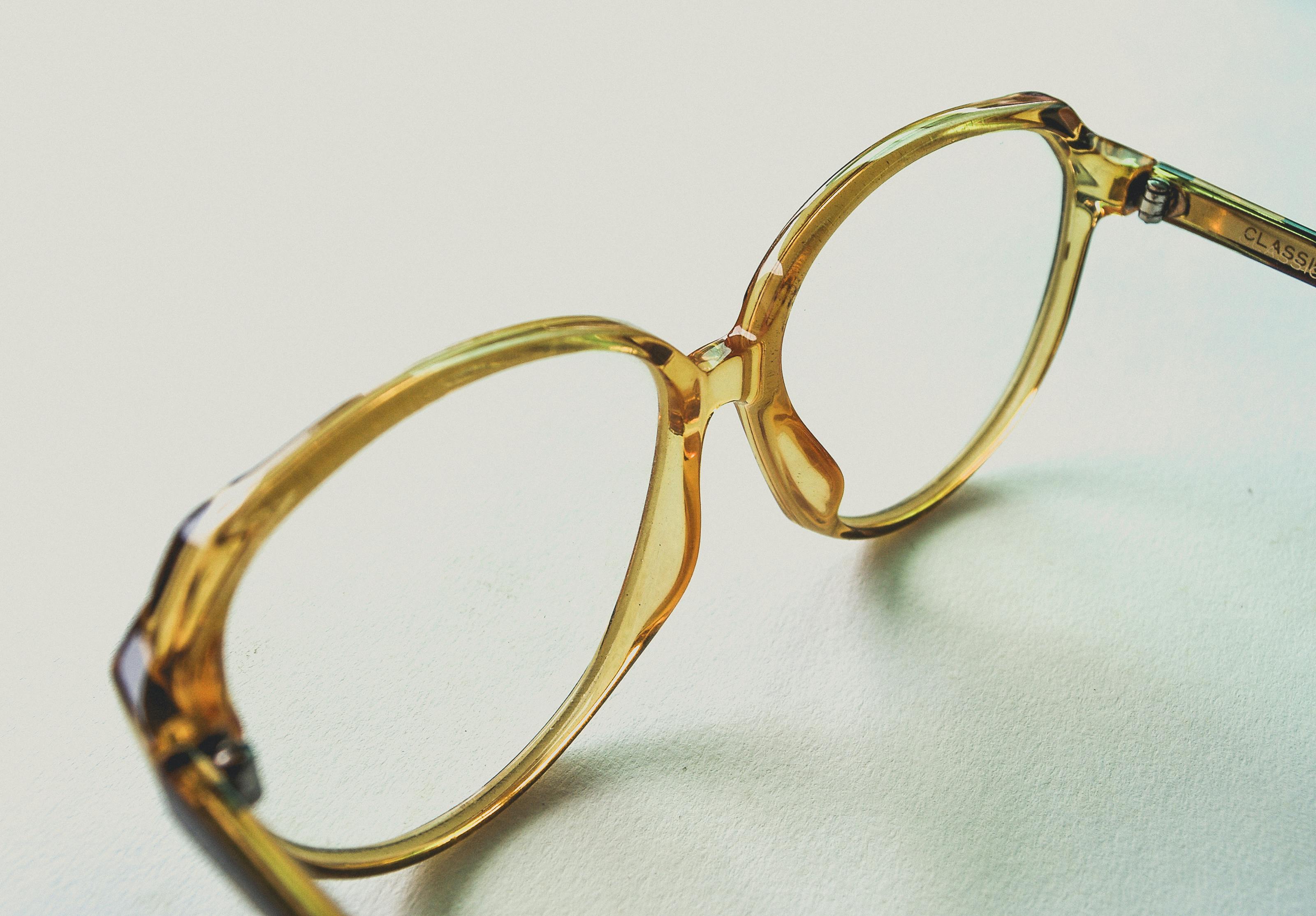
Blue-light blocking (clear-amber): The light amber tint of blue-light filtering lenses is designed for indoor use. These are functionally indoor glasses and read as such.
Colors that do not work indoors
Any lens dark enough to obscure the eyes. Mirrored lenses in any tint. Dark brown, dark gray, or black lenses regardless of frame quality.
The issue is not the color itself — it is the opacity. A darkened lens indoors signals either medical necessity or performance. Neither serves most people in most situations.
Frame considerations
The frame matters less than the lens for indoor wearability, but some frames read as more indoor-appropriate than others. Wire frames with light lenses are the most versatile — they function as reading glasses or fashion glasses depending on context. Heavy acetate frames with light lenses can work but require more confidence in the environment.
The context variable
Where you are indoors matters. Creative offices, galleries, fashion events, and restaurants with good lighting are environments where light-tinted glasses read as intentional rather than eccentric. Fluorescent-lit offices, meetings, and professional contexts are more demanding. The frame and tint that works in one environment may not work in another.
If you wear light-tinted glasses regularly indoors, notice which environments they feel right in and which they feel effortful. That observation is more reliable than any general rule.