Not all trends are worth your money. Some are editorial constructions that exist primarily in magazine spreads and disappear before the season ends. Others reflect genuine shifts in how people are thinking about a category. For sunglasses, the difference matters more than most accessories because you wear them outside, in daylight, where nothing is hidden.
Here is what is worth paying attention to heading into summer 2026.
Shield frames are having a real moment
Shield sunglasses — single continuous lenses that wrap across both eyes — have been circling the trend conversation for two years. This summer they appear to be landing. They are appearing across a wider range of price points and contexts, which is usually the sign that a trend has moved from editorial to actual adoption.
The functional case for shields is strong: maximum coverage, excellent UV protection, and a silhouette that reads futuristic without tipping into costume. The challenge is face compatibility. Shield frames work best on angular face structures. On rounder faces they can overwhelm.
If you are going to try a shield frame, go small. A compact shield at 60mm sits very differently than a full wrap at 75mm.
Thin wire is not going anywhere
Wire frames have been in a sustained rise for the past three years and there is no sign of reversal. The thin metal frame — round, oval, or geometric — has become a default for people who want something understated that still reads as considered.
The current direction within wire frames is toward more unusual geometry: hexagonal lenses, asymmetric shapes, double-bridge constructions. The frame is thin and quiet but the shape does the work.
The indie label push
One of the more significant shifts in eyewear right now is the quality and availability of independent brands at mid-range prices. Labels that would have been invisible outside major urban markets three years ago are now fully DTC, shipping everywhere, and building real design identities.
VEIL Collectives is a good example of what this looks like at the accessible end of the market: genuinely distinctive frames with an avant-garde design sensibility, priced under $76. A few years ago that combination did not exist. You either paid $200+ for independent design or settled for what was available at mass retail. That gap has closed significantly.
For summer purchasing, this means there is more worth looking at outside the usual suspects. The independent labels are worth a dedicated search before defaulting to heritage brands.
Gradient lenses are back
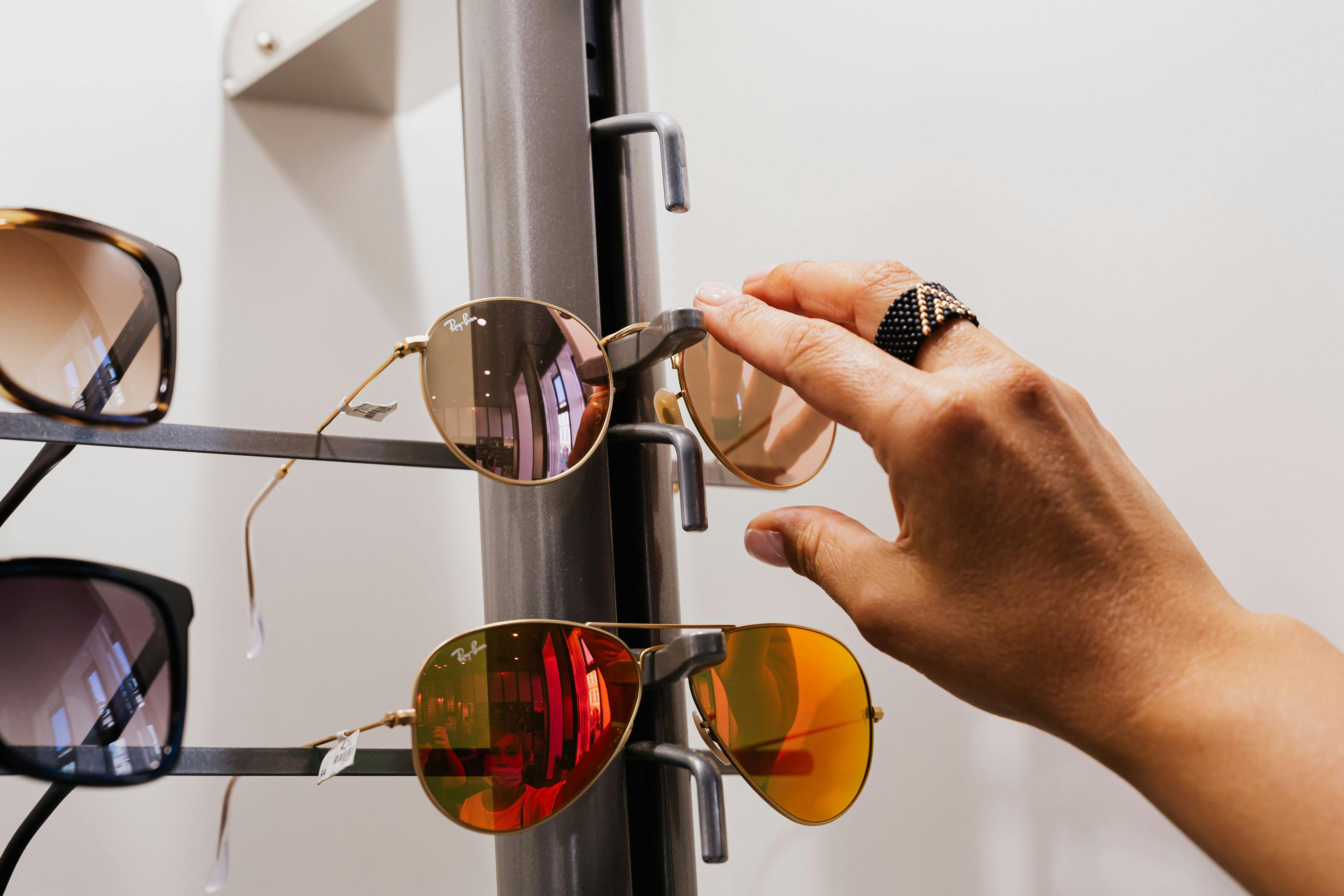
Gradient lens tints — darker at the top, lighter at the bottom — have returned with enough momentum to be noticeable. They are appearing most often in amber-to-clear and gray-to-clear configurations. The look is distinctly 1990s in a way that feels intentional rather than accidental.
Gradient lenses have a practical advantage that often gets lost in the style conversation: the clear lower portion makes them easier to wear while reading or looking down, which is useful in everyday contexts.
The color shift
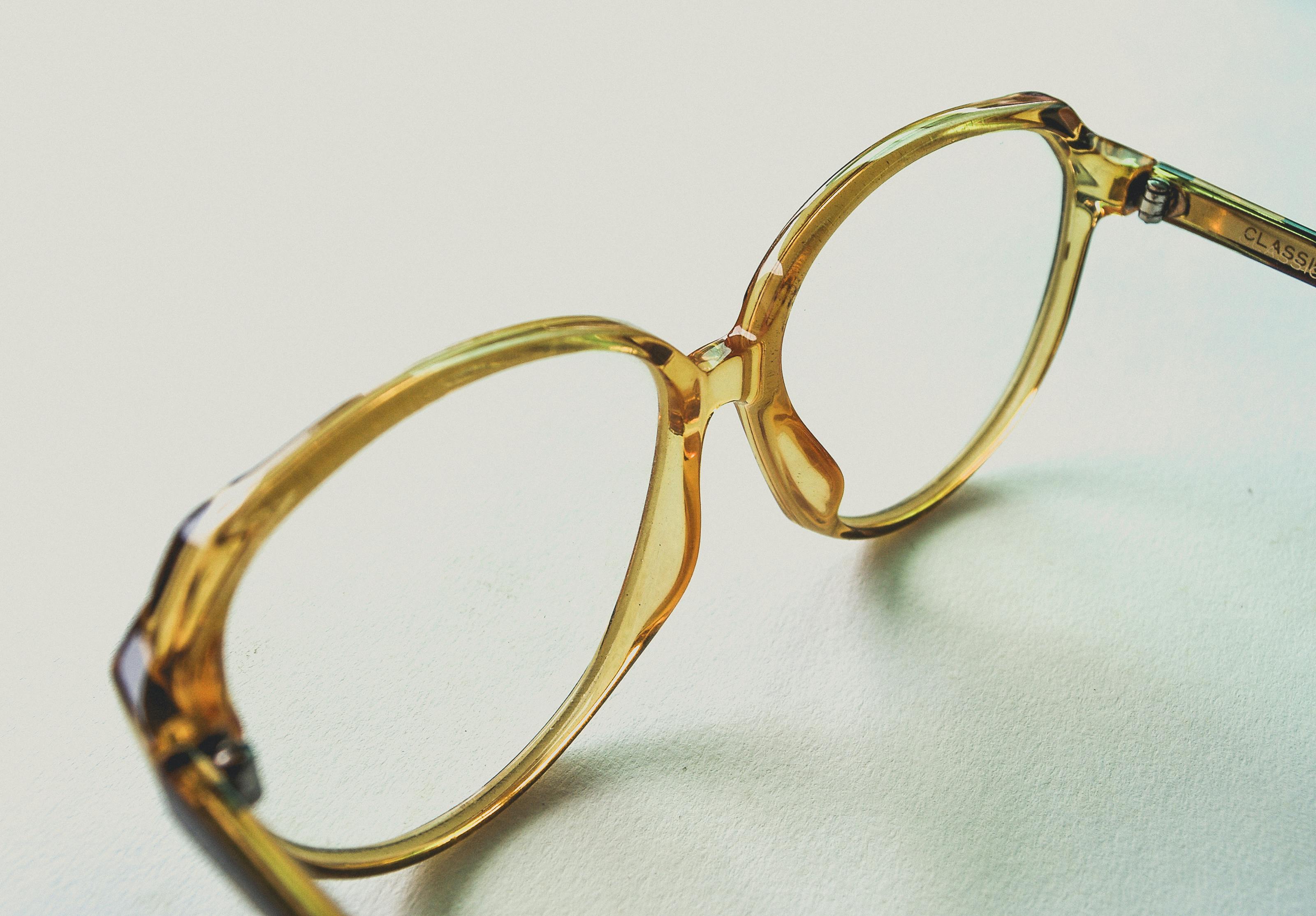
Neutral lens colors — gray, brown, green — remain dominant, but there is movement toward warmer amber and rose tints as fashion choices rather than functional ones. Frames with rose or amber lenses are appearing in editorial contexts in ways that suggest mainstream adoption is coming.
For summer specifically, expect amber and warm brown lenses to be the dominant tint choice. They photograph warmly, which matters more than anyone admits.
What to skip
Heavily embellished frames — rhinestones, oversized logo hardware, decorative rivets — are getting editorial placement but are unlikely to have staying power at street level. They are the kind of trend that photographs better than it wears.
The safer investments are always the ones that reward daily use rather than the ones that exist for occasions.