Bold eyewear creates a specific styling challenge: the frames have visual weight, and the outfit needs to relate to that weight without competing with it or being extinguished by it. Get the balance wrong in one direction and the outfit fights the glasses. Get it wrong in the other and the outfit disappears behind them.
The formulas below are reliable starting points. They are not rules — they are equilibria that have been tested enough to be trusted.
Formula 1: Loud frames, quiet clothes
The most consistent formula for wearing genuinely distinctive eyewear. A bold frame — strong shape, unusual color, significant visual presence — works best against a restrained outfit. The clothes become the ground; the glasses become the figure.
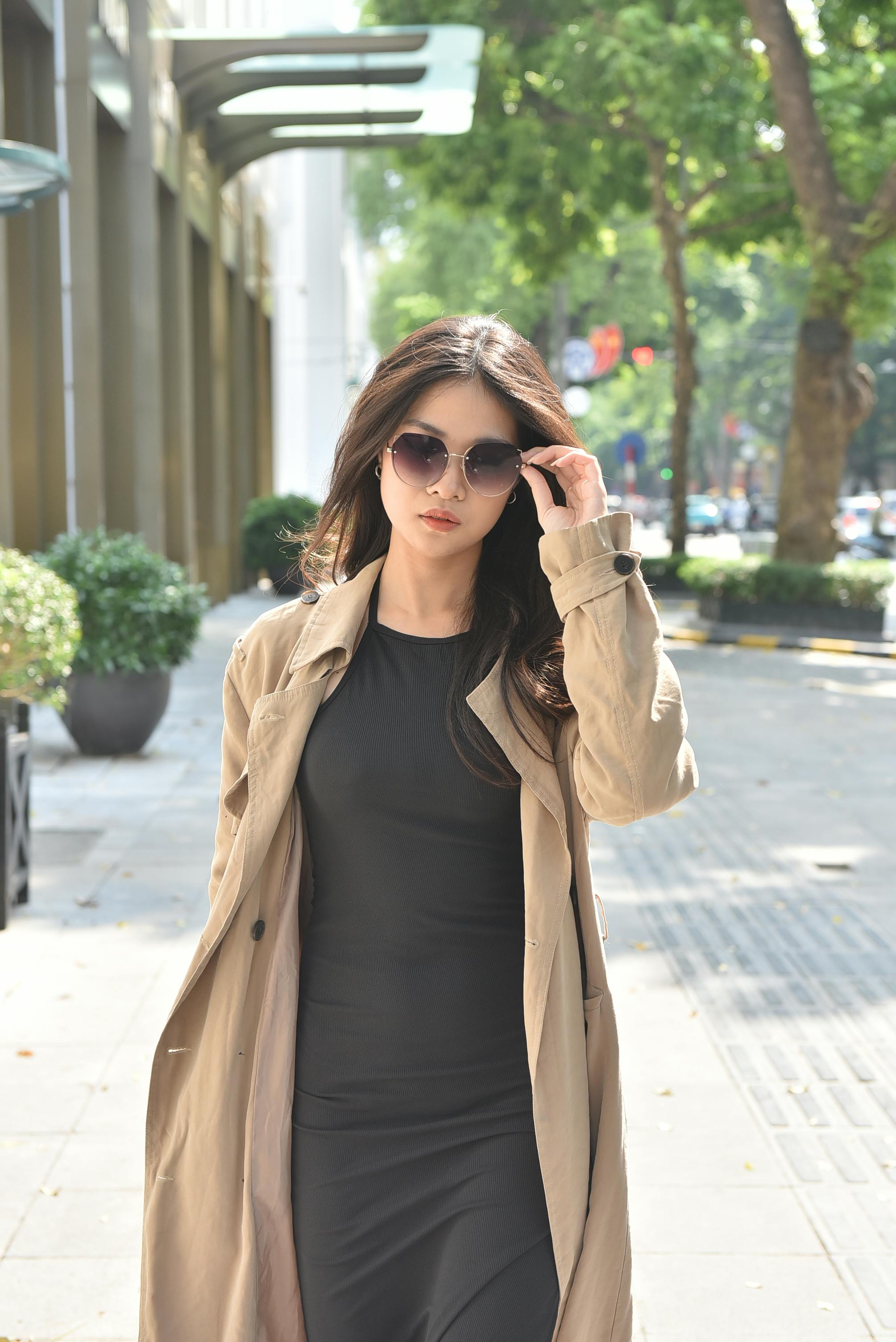
In practice: a well-fitted neutral outfit (white, black, cream, camel, slate) in simple silhouettes. No competing prints, no busy details, no other statement accessories. The glasses are the edit.
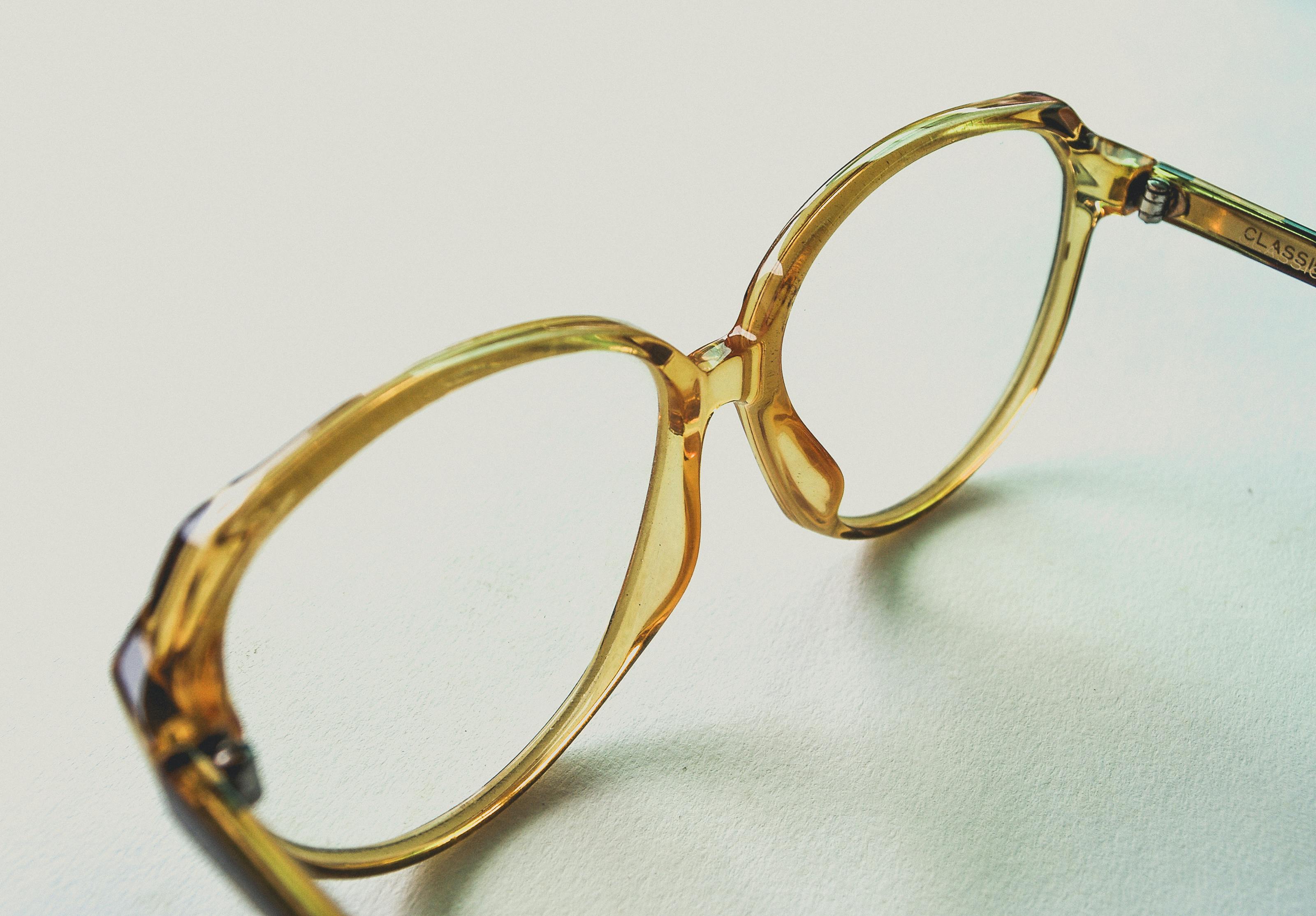
This formula works for almost any bold frame. It is particularly effective with avant-garde shapes or strong acetate colors — the kind of frames produced by independent labels that are building genuine design identities. VEIL Collectives’ bolder colorways, for instance, work cleanly against a white shirt and straight-leg trousers in a way they would not against a printed shirt and patterned shoes.
The risk is the outfit reading as background rather than considered. The remedy: quality fabrics and fit. A well-made neutral outfit reads as intentional. A cheap neutral outfit reads as afterthought.
Formula 2: Matched energy, different registers
The second formula requires more calibration but produces more interesting results. Match the energy level of the glasses with the energy level of the outfit — but keep them in different registers so they do not compete.
Bold geometric frames with a strong print in a different visual language. Sculptural acetate with structured tailoring. The frames and the outfit are both making statements, but about different things, in different vocabularies.
This is harder to execute. The failure mode is chaos — everything fighting for attention simultaneously. The success mode is an outfit with genuine visual complexity that holds together because each element is confident.
Formula 3: Tonal dressing
Tonal dressing — building an outfit within a single color family — is a reliable container for distinctive eyewear because it creates a coherent field that the frames can sit against without competition.
An all-neutral outfit in cream, white, and sand with amber tortoiseshell frames. An all-black outfit with stark geometric frames. A monochrome earth-tone look with olive or brown acetate.
The frames remain the most distinct element because they are the only thing breaking the tonal field. The outfit achieves interest through texture and proportion rather than color contrast.
Formula 4: Frames as the one bold element
For everyday wear with frames that have a strong design, the most practical formula is simple: one bold element per outfit, and the frames fill that role. Everything else — bag, shoes, jewelry, clothes — stays within conventional parameters.
This formula makes getting dressed easier. You have already made your statement. The rest of the decisions are in service of it rather than competing with it.
What does not work
Mixed statement accessories. Bold frames plus a statement bag plus distinctive shoes creates an outfit that is working too hard. The individual elements may all be good. Together they cancel each other out.
Heavily patterned or maximally busy clothing. The frames get lost. If the outfit is already at maximum visual volume, nothing you add to it will register.
The principle across all formulas: bold eyewear needs breathing room. Give it space and it does the work.